Girmawi · Historic Record
ግርማዊት እቴጌ መነን
In Memoriam
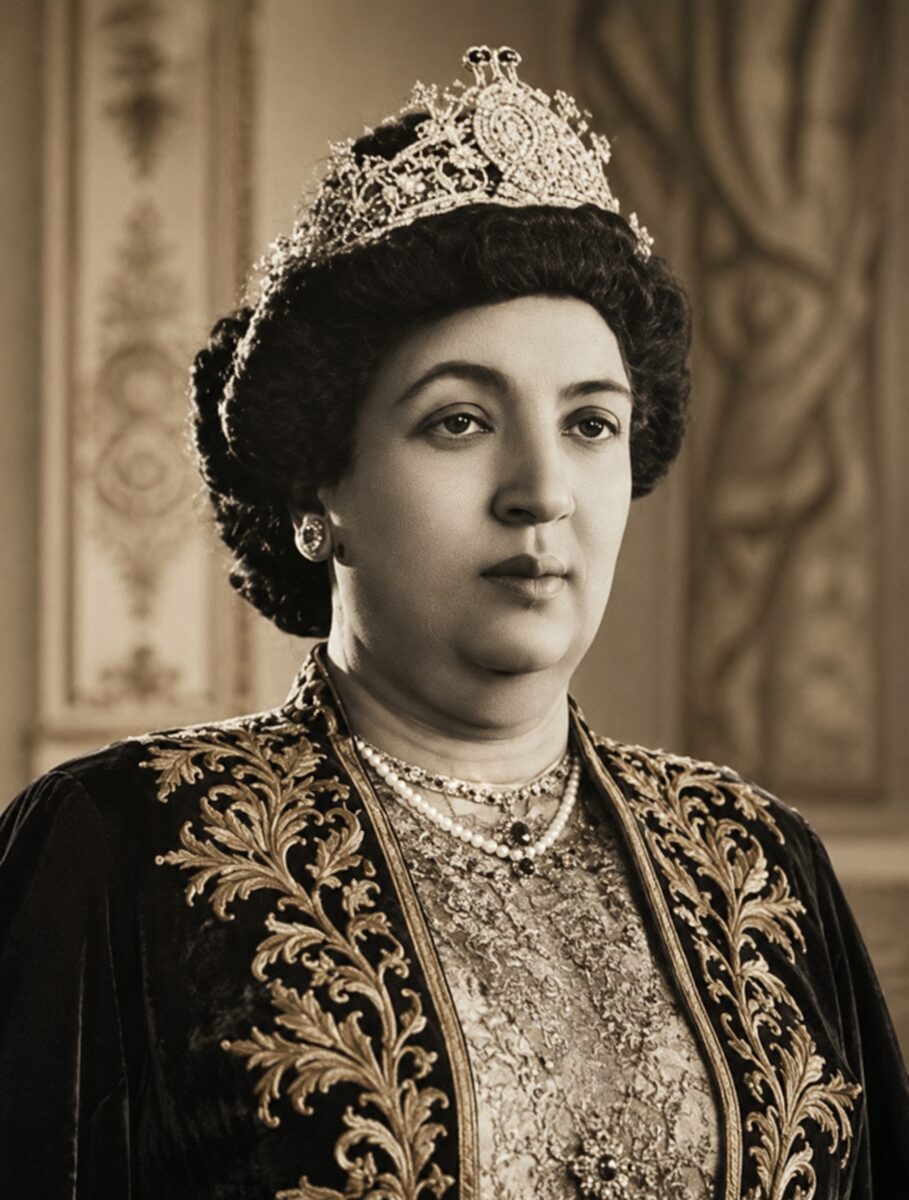
Her Imperial Majesty Empress Menen
የካቲት ፰ ቀን ፲፱፻፶፬ · February 15, 1962
Listen · ያድምጡ
Listen · English
Her Imperial Majesty Empress Menen passed away in the night of Thursday, Yekatit 8, 1954 (February 15, 1962). During the ceremony, cannons were fired twenty-one times, and the mourning was proclaimed to the people. At the hour her funeral was solemnized with great ceremony at Menbere Tsebaot Holy Trinity Cathedral, His Excellency Tsehafe Taezaz Aklilu Habte-Wold, Prime Minister, delivered the following words of mourning.
The Eulogy of Prime Minister
Aklilu Habte-Wold
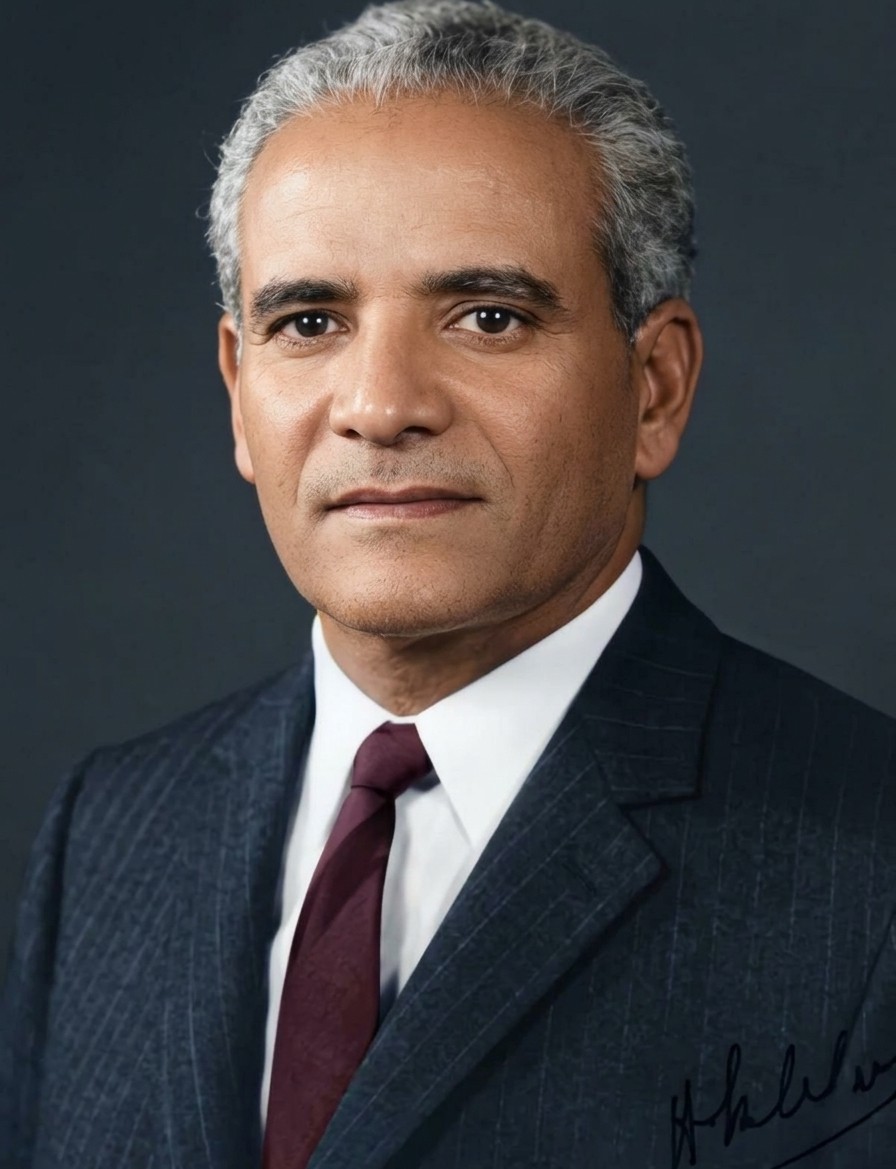
This grievous blow of death that has fallen upon us today has cast the entire people of Ethiopia into bitter mourning. Our dearly beloved great Lady, Her Imperial Majesty Empress Menen, was to the Ethiopian people a compassionate and devoted mother. Revered as a queen and cherished as a mother, she lived steadfast in her faith, and through her tenderness and kindness the love and respect of her people never departed from her. Among the great sovereigns whose names history keeps alive forever, hers will endure. When in this hour we call to mind the exalted virtue of Her Imperial Majesty Empress Menen, not only we, her servants who lived at her side, but even those who knew her only by renown are moved to profound sorrow.
Beyond the great example she gave in faithfully fulfilling the high calling for which God chose her, her human character was such that none could say she was found wanting in virtue or in deed. She was a great woman and a blessed queen, an honor to her descendants and to her people, with few equals in her age.
Helper of the distressed and comforter of the troubled, making no distinction between great and small, she made benevolence, patience, compassion, humility, and generosity her constant practice. The good she accomplished is beyond all counting, and will live on in the hearts of us all.
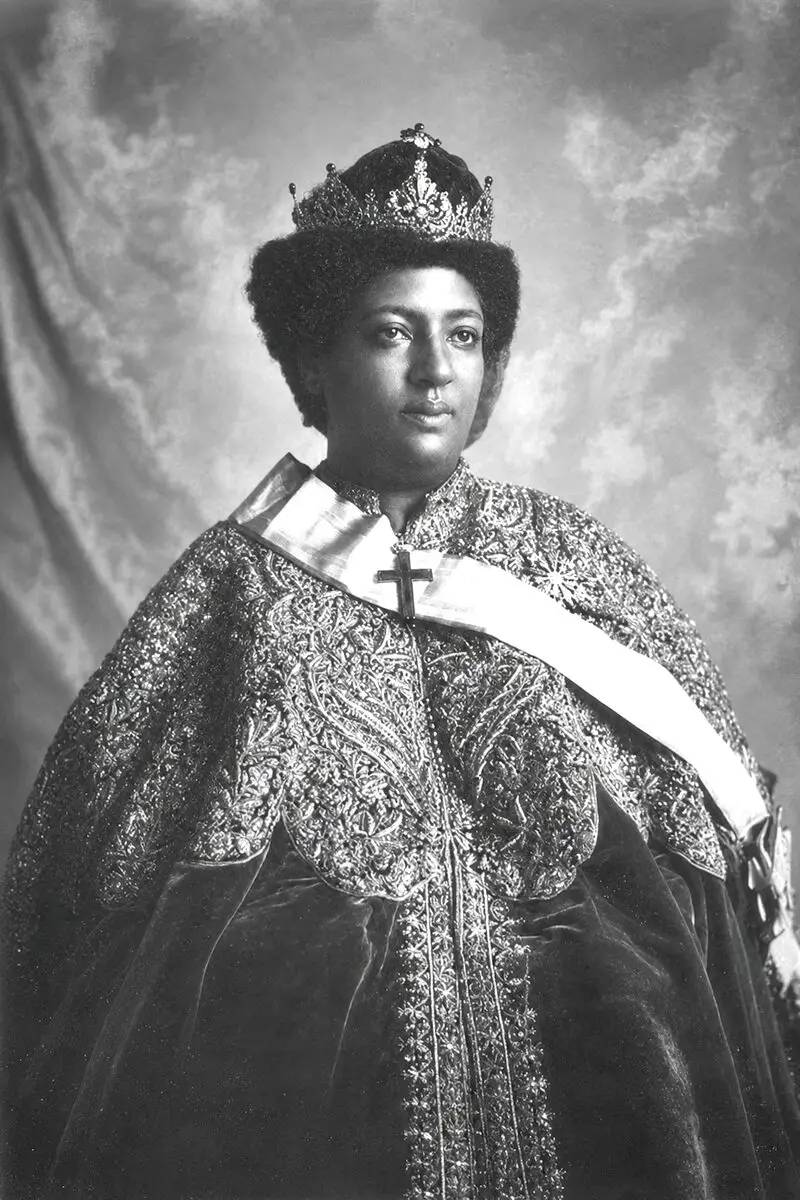
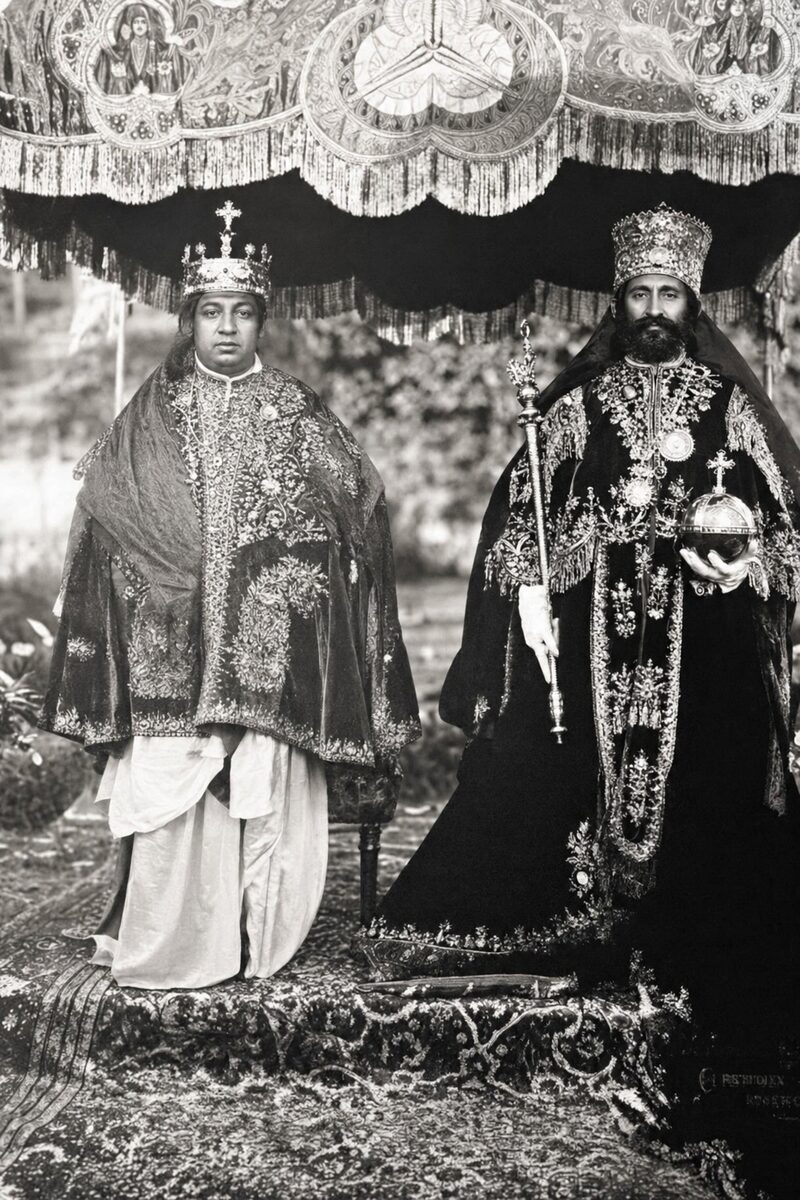
When Her Imperial Majesty Empress Menen was chosen by God to share the throne of Ethiopia, one need only consider all that she shared in the labors of His Imperial Majesty Haile Selassie I for the advancement of his beloved people and the progress of their country to grasp how great a blessing her elevation proved for the Crown of Ethiopia. When we recall the deaths that befell her children, one after another, and the bitter grief she bore in her family life, our hearts can imagine how heavy such trials are for a mother, and we understand the suffering Her Majesty the Empress endured in her lifetime. Yet the strength of her nature, the breadth of her heart, and the firmness of her faith gave her patience; and it is known to all that, without bitterness, she fulfilled to the very end the duties of leadership and of motherhood laid upon her, earning admiration and reverence.
Beyond the sorrows of her family, when trouble and trial came upon her country and her people, she bore every hardship with one heart alongside her royal consort. Above all, in the era when Ethiopia was assailed by an invading enemy, the fortitude she showed in the midst of her people and the spiritual struggle she waged stand as a lofty example not only to the women of Ethiopia but to the mothers of the world. Likewise, the tribulations she endured with the Imperial Family in the years of exile, and the sacrifices she offered for her beloved country through her prayers and through manifold humanitarian service, are an everlasting and unforgettable contribution that led at last to victory.
In that time of trial she fortified her faith, and together with His Imperial Majesty she caused the tabot of Medhane Alem, Miskaye Hizunan, the Consoler of the Sorrowful, to be established at Fairfield in England, where they lived in exile. Beyond this, she strengthened and comforted the Ethiopians exiled in England and in other lands with spoken counsel and with letters; and it is known that she sent money to sustain the refugees.
After freedom was restored, the institutions she founded with her private means for the benefit of her people, in education, in medicine, and in works of charity of every kind, were many. In the city of Addis Ababa, on her estate near Kechene Medhane Alem, she built a school and home for children without father or mother. In the district of Kolfe she raised the Church of St. Paul and built a school for children maimed by the cruelty of the enemy. In the Urael quarter she gave the house and grounds where the Princess Zenebework School stands. And in the city of Dessie she founded, with her own means, the vocational school that bears the name of Woizero Sehin.
These are but a few of the many enduring works Her Imperial Majesty the Empress bestowed upon her country and her people; the manifold charities she wrought in churches and monasteries throughout the Emperor’s realm are many. Abroad as well, above all in Jordan, she purchased with her private means a spacious ground, built the Church of the Trinity, and gave to the Ethiopian monastery a residence and means of livelihood for its monks: a gift that will always be remembered.
Beyond all this, as Her Imperial Majesty carried out her high duties day by day, the kindness she showed to those in need, and the gifts of land and money by which she established many Ethiopians in life, were exceedingly abundant. Because her feeling as a mother ran even deeper than her office as queen, the generosity and help she rendered throughout her life to ease the hardships of ordinary households won her love, trust, and reverence among her people. Guided by her exalted virtue, her fear of God, and her life of prayer, the benefactions and works she performed through the years for the Ethiopian Church and its monasteries will be praised forever.
The great Queen, Empress Menen, is honored for the firmness of her virtue and the breadth of her heart, and admired for her wisdom and discernment. It will never be forgotten that she lived as the close helper and supporter of His Imperial Majesty the Emperor in the labor and striving to raise Ethiopia to the high plane of civilization. Supporting and following the aims His Imperial Majesty set before his people, that the old customary ways of life might be improved and guided toward a modern order, the high example she gave in the refinement of daily life made her a great model for the women of Ethiopia.
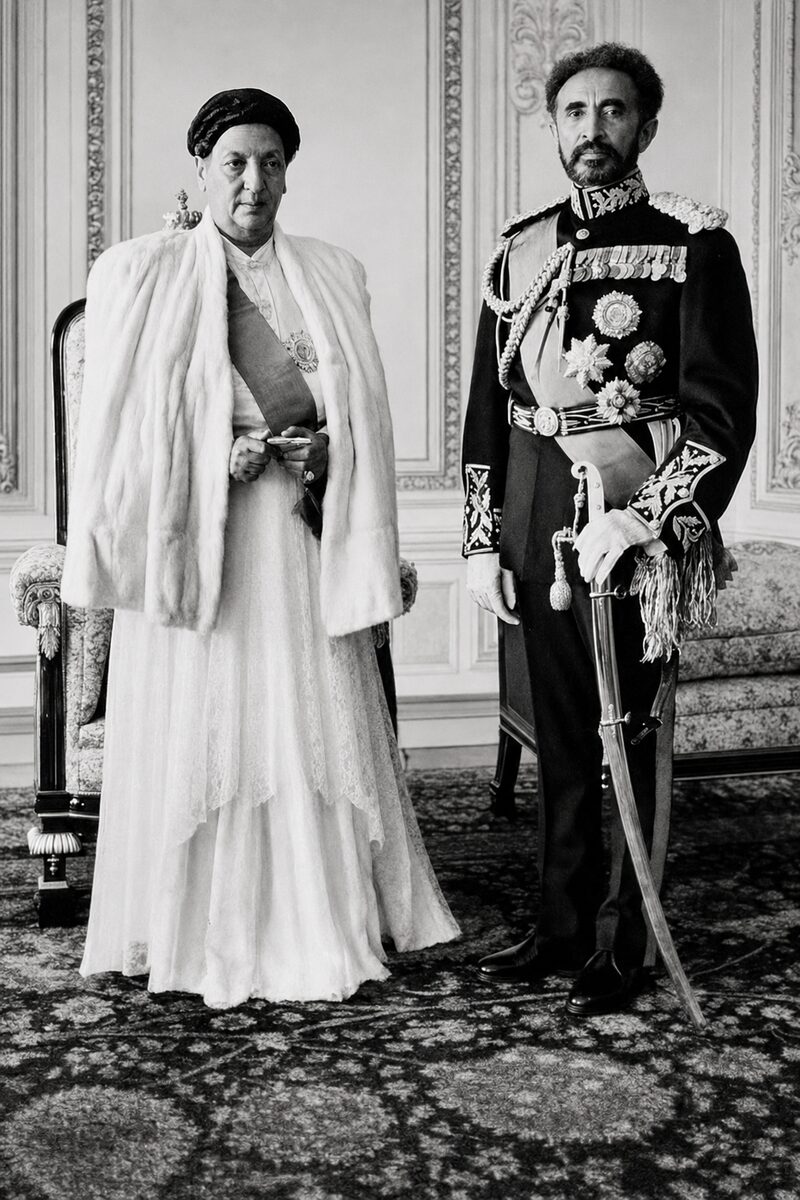
The name the people gave her, “the Good and Blessed Empress,” bears witness to this merit and this renown. Though our grief today is that cruel death has taken from us our mother and queen, the anguish of our hearts is deepest when we consider her separation from her Imperial companion, from her beloved children, from her people, and from her palace.
In this hour the hearts of us all beat as one, and our thoughts and our prayers are with our Emperor, who has lost the companion of his life, she who for fifty full years, in good fortune and in ill, was never parted from him. Let the heart of each of us understand that we can lighten this heaviest of sorrows only in the measure that we show our devotion and our gratitude to His Imperial Majesty, aiding him in work and in prayer. That the Lord God may grant consolation to His Imperial Majesty, to his beloved children, and to the Imperial Family, the whole people of Ethiopia will not cease from prayer.
On Yekatit 10, 1954 (February 17, 1962), the third day of mourning for Her Imperial Majesty Empress Menen, after the rites of lamentation were held at the Grand Palace, His Imperial Majesty the Emperor delivered the following address.
The Address of Emperor Haile Selassie I
on the Third Day of Mourning
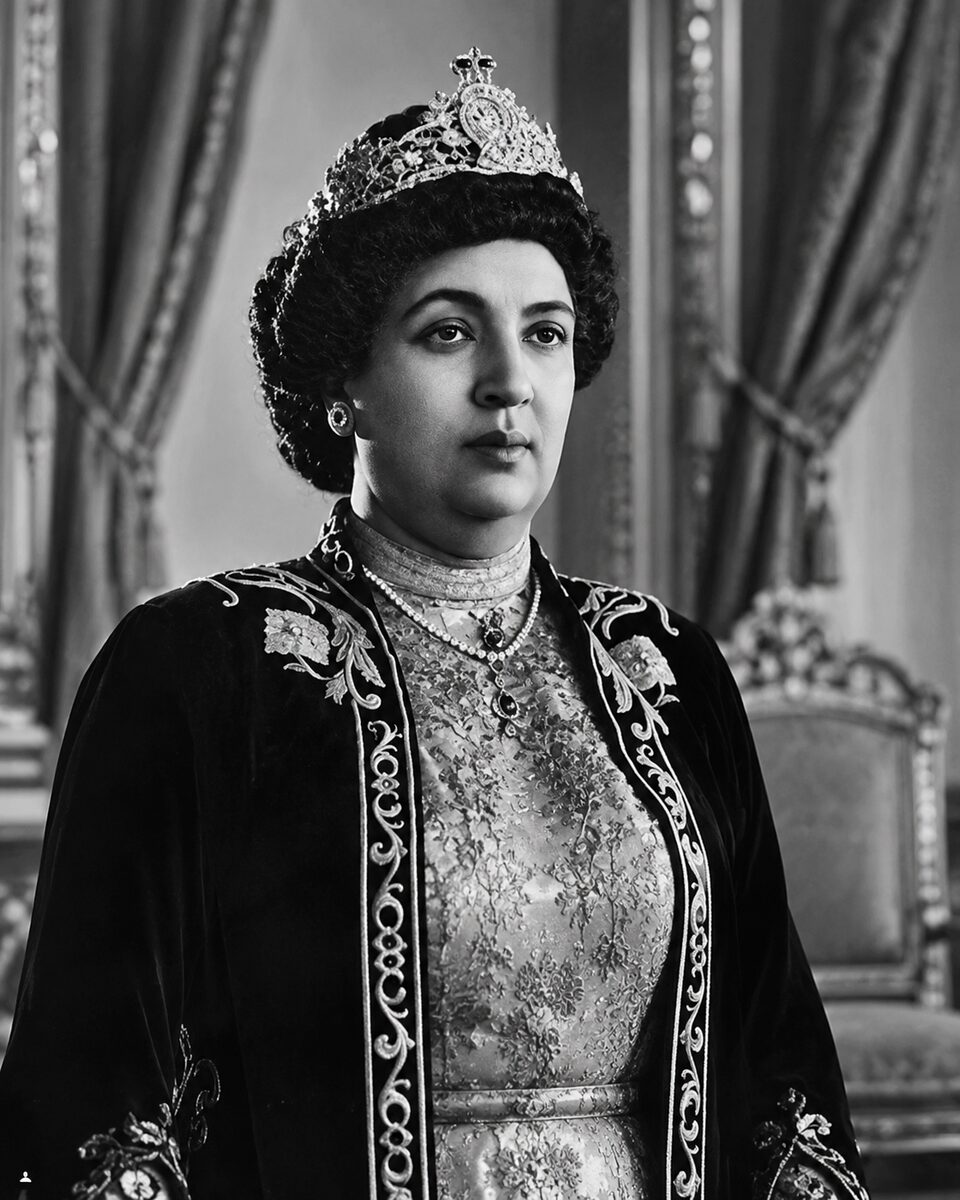
“Concerning the goodness and the character of the Empress, the address our Prime Minister delivered yesterday in the name of our ministers and of all our people set forth well who she was, and it has given us comfort. Beyond what you all know, we ourselves, who knew her most closely, must bear witness to what ought to be told of her: a woman of faith whom the evil day could not change; one with whom, in the good days also, we lived out our years in this world without ever once needing another to reconcile us. As Sarah obeyed Abraham, so she fulfilled our will until the judgment of God parted us. In every matter that served the people, young and old alike, she did more than help us; she strove to do the work herself, as the deeds she wrought stand witness. And who could number every thought and every word?
In our age, God kept us together through so many days of unclouded happiness, gave us the fruit of children, let us see our children’s children, and at the last, when the day appointed for the children of Adam arrived, granted us to tend her in her illness and brought her life to its close upon a beautiful path. Among the leaders of the world, few indeed have been granted so long a companionship. Now that God has done this, I have nothing to say but that I give Him thanks.
Therefore, lest we sin by extinguishing our gratitude to God, and lest we forsake our work and cause our people and our officials to forsake theirs, the appointed days of mourning are ended. From Monday, return each of you to your work; for idleness serves only to injure the country, and profits it nothing. And to share our sorrow, rather than coming in great numbers from the provinces, it is enough to send two or three persons bearing a letter.
What our beloved people, and the peoples of foreign lands, and every child and grandchild of our family have done in sharing our sorrow at this time has touched our heart, and we thank them. Nor is today the first time our people have opened their heart to us in grief. When our beloved son Prince Makonnen passed away, they mourned with us no less than we ourselves, and gathered their money and gave it for his memorial.
We believe that the mighty and powerful God will not despise our plea and our prayer that He Himself repay every one of them on our behalf. And during the Empress’s illness, our people followed her condition day by day over the radio, sharing our thoughts and our anxiety; and the physicians, the nurses, and the attendants, by the service and the help they rendered, have laid upon us a great debt.
May God make of these tears that have been shed a price that purchases peace for Ethiopia and for all the world.”
Girmawi
Power · Faith · History